
Purpose:
Professionals and amateurs alike spend a lot of resources to get people to plant native gardens. One of the biggest blocks is the cost. Native garden centers often charge 20 dollars per perennial, and while I have no doubt that the flower is worth 20 dollars, I wanted to do something to get people a kick start. Rather than send them to the shop to spend 100 dollars on 4-5 flowers, I can give them twenty and it costs me very little. The flowers aren’t as mature as those at the shop, but they are free and they grow. I challenge others in the field to do something similar. Grow pots of flowers to give away in bulk. Don’t replace the native stores, but get people the jump start that they often need.
Lessons:
1) Set expectations. If you give people flowers, they don’t necessarily prepare the ground. They sometimes plant them into a section of lawn or hide them behind a garden shrub. Make sure they remove the lawn, put down some mulch, and then put in the flowers.
2) Give them time. I’ve had people fail at first, but then over time discover a huge passion for gardening. One said it got her over knee surgery, another found it therapeutic after the loss of a family member. But initially both did a poor job at gardening.
3) Get more photos. There aren’t many below.
2024
*Note this was the last year I had a garden space to grow pots of flowers.
After the success growing 200 pots last year, giving them away to 7 homes, I expanded to about 550 pots this year.
Seeds planted:
Bee balm (Monarda fistulosa)
Spotted bee balm (Monarda puntata)
Butterfly weed (Asclepias tuberosa)
Whorled milkweed (Asclepias verticillata)
Purple giant hyssop (Agastache scrophulariifolia)
Purple coneflower (Echinacea purpurea)
Golden alexander (Zizia aurea)
Dense blazing star (Liatris spicata)
Solomon’s seal (Polygonatum biflorum)
Virginia blue bells (Mertensia virginica)

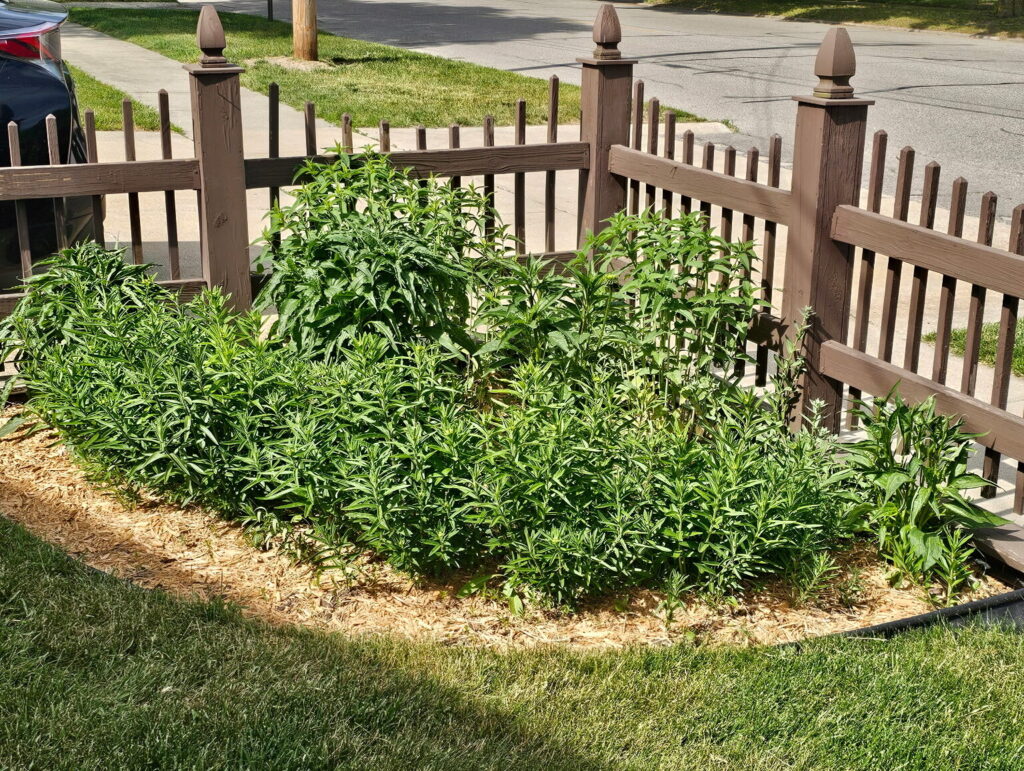
Here is a small garden created from these pots. It will get expanded, but we wanted to make sure the site was good and that the caretakers would want a bigger one.
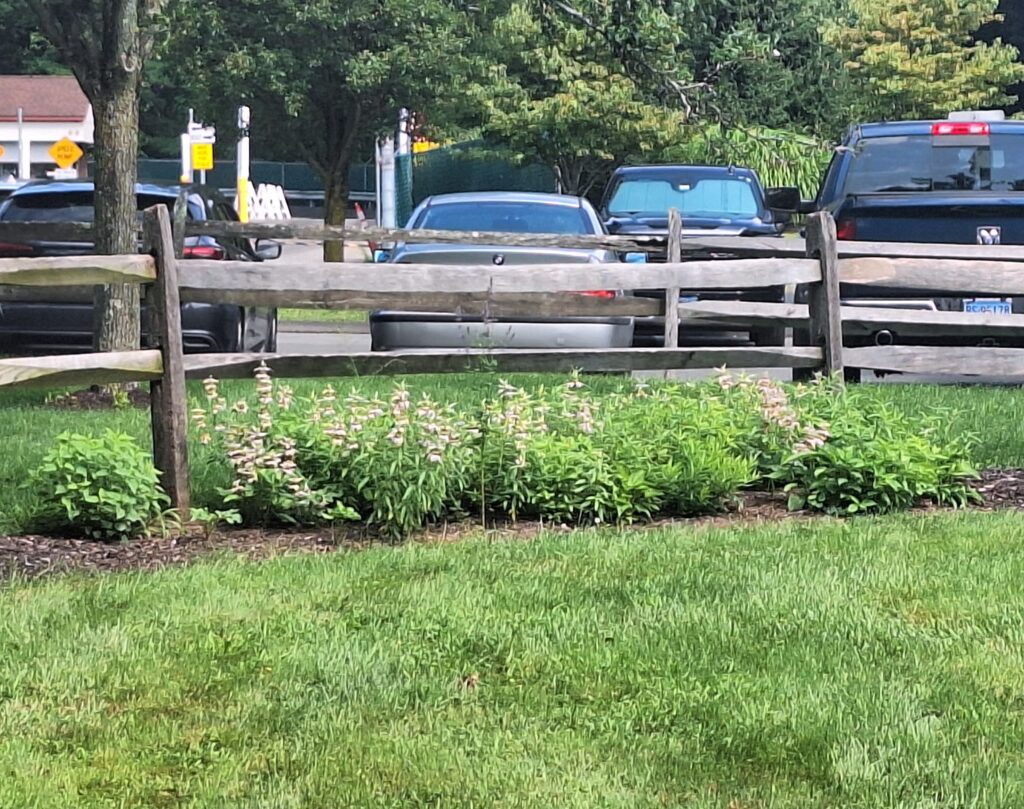
People like small gardens to start. Ignore the invasives hidden in the background.
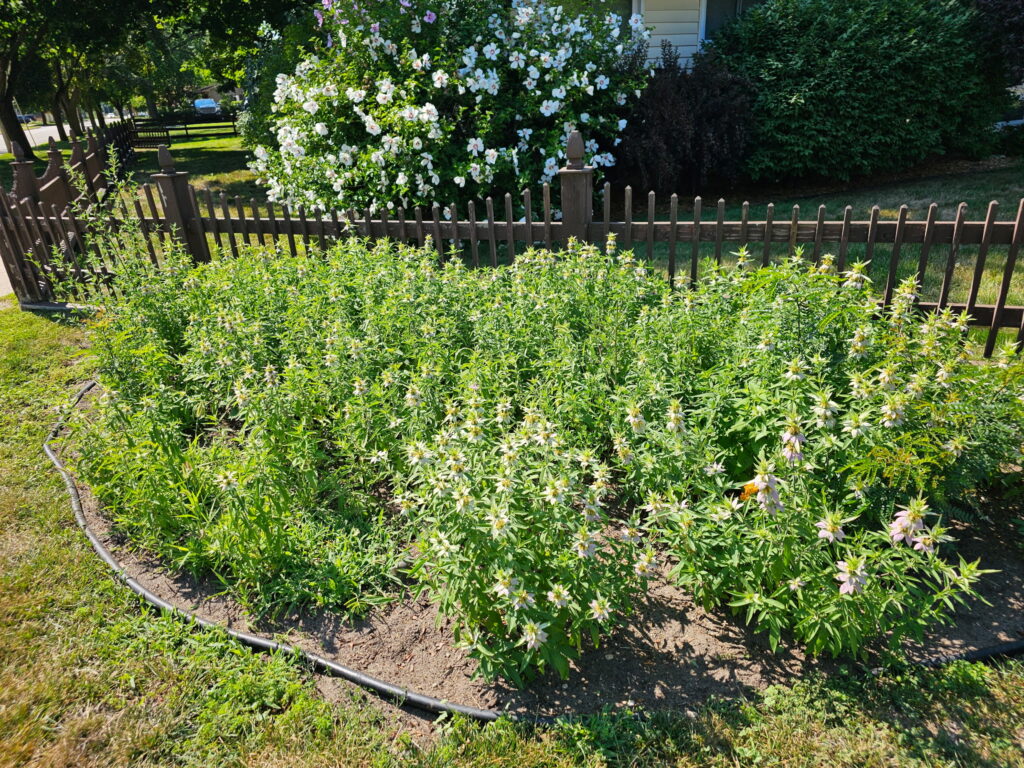
And another
2022
180 pots ready for spring! We filled the veggie garden bed with pots to see what we could sprout before veggie season started.

Here we have a few plants put into a garden. The commercial-looking labels are simply recycled.

Here it is a couple months later. The bees were quite ecstatic with the results. We also put some at another friend’s garden, but the pictures weren’t as good.

2021
So the first attempt brought out many species we could plant in friends’ gardens, though not as many as we had hoped. Here we have Black-eyed Susan, Bee Balm, Spotted Bee Balm, Lupine, and Common Milkweed. One lesson we learned was to seed more heavily for some species, as only about half of our pots had sprouts. We also learned to plant the seeds much earlier in the year. While we did do cold stratification in the refrigerator, it would not have been an issue to simply plant the seeds earlier. This also would have benefited those that needed a cold AND wet stratification, which we missed.
